

Chinese Conversation · Level 78
91 words
Search Chinese words by characters, pinyin or English meaning.
Dictionaries
Quick links
Browse
 MotiSpiOfficial conversation app

Chinese word
Pinyinbìng fā zhèng
糖尿病如果控制不好,会有并发症。táng niào bìng rú guǒ kòng zhì bù hǎo huì yǒu bìng fā zhèng
If diabetes is not well controlled, complications can occur.
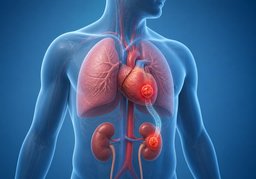
手术后出现了并发症。shǒu shù hòu chū xiàn le bìng fā zhèng
A complication occurred after surgery.
A medical condition that appears alongside or after a main illness and changes how the illness is managed.
出现并发症chū xiàn bìng fā zhèng
experience complications
预防并发症yù fáng bìng fā zhèng
prevent complications
合并症hé bìng zhèng: A separate disease that exists at the same time as another disease.
后遗症hòu yí zhèng: A lasting health problem or disability that remains after an illness or injury.
不良反应bù liáng fǎn yìng: An unwanted reaction or symptom caused by a medicine or other treatment.
在原发病的基础上同时出现或随后继发的其他病理状态,常影响治疗选择和预后判断。zài yuán fā bìng de jī chǔ shàng tóng shí chū xiàn huò suí hòu jì fā de qí tā bìng lǐ zhuàng tài cháng yíng xiǎng zhì liáo xuǎn zé hé yù hòu pàn duàn
并发症 (bìngfāzhèng, "complication") is built from 并 (bìng, "together") + 发 (fā, "arise") + 症 (zhèng, "medical condition"), highlighting a condition that arises alongside the main illness.