

HSK · Level 33
135 words
Search Chinese words by characters, pinyin or English meaning.
Dictionaries
Quick links
Browse
 MotiSpiOfficial conversation app

Chinese word
Pinyinnián mài
年迈的奶奶喜欢看电视。nián mài de nái nǎi xǐ huān kàn diàn shì
The elderly grandmother likes watching television.
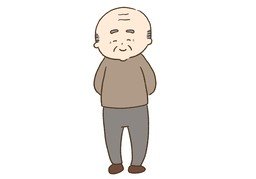
那位年迈的人喜欢在公园散步。nà wèi nián mài de rén xǐ huān zài gōng yuán sàn bù
That elderly person likes walking in the park.
Someone far along in life, whose body and energy no longer have the strength of youth.
年迈的父母nián mài de fù mǔ
elderly parents
年迈的祖父母nián mài de zǔ fù mǔ
elderly grandparents
看上去年迈kàn shàng qù nián mài
look elderly
老lǎo: Old or no longer young, in a general and widely used sense.
高龄gāo líng: Of advanced age, in formal or official writing.
年长nián zhǎng: Older in age than another person or group.
上了年纪shàng le nián jì: Getting on in years and no longer young, in casual speech.
年纪增大,已进入老年阶段,体力和精神常明显衰弱。nián jì zēng dà yǐ jìn rù lǎo nián jiē duàn tǐ lì hé jīng shén cháng míng xiǎn shuāi ruò
The word combines 年 (nián, "year") with 迈 (mài, "to advance"), so it describes a person whose years have advanced into old age.