

Chinese Conversation · Level 41
90 words
Search Chinese words by characters, pinyin or English meaning.
Dictionaries
Quick links
Browse
 MotiSpiOfficial conversation app

Chinese word
Pinyingān zào
冬天空气很干燥,要多喝水。dōng tiān kōng qì hěn gān zào yào duō hē shuǐ
The air is very dry in winter, so people should drink more water.
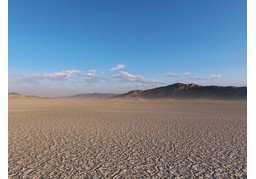
药材脱水后变得很干燥,便于保存。yào cái tuō shuǐ hòu biàn de hěn gān zào biàn yú bǎo cún
After medicinal herbs are dehydrated, they become very dry and are easier to store.
Water is no longer held in something, or is present only in a small amount, leaving it dry to the touch or in the surrounding air.
干燥环境gān zào huán jìng
dry surroundings
土地干燥tǔ dì gān zào
dry soil
头发干燥tóu fa gān zào
dry hair
干旱gān hàn: Describing a region or climate made extremely dry by a long period of little rain.
干枯gān kū: Describing plants or other living growth that has dried out, wilted, or withered.
干爽gān shuǎng: Feeling pleasantly dry and fresh to the touch instead of damp or sticky.
干裂gān liè: Describing a surface that has become cracked because it has lost too much moisture.
没有水分或含水很少,表面或内部干燥、缺乏湿润的状态。méi yǒu shuǐ fèn huò hán shuǐ hén shǎo biǎo miàn huò nèi bù gān zào quē fá shī rùn de zhuàng tài
The compound pairs 干 (gān, "dry") with 燥 (zào, "parched or dry"), using two closely related characters to make the lack of moisture vivid.