

HSK · Level 8
135 words
Search Chinese words by characters, pinyin or English meaning.
Dictionaries
Quick links
Browse
 MotiSpiOfficial conversation app

Chinese word
Pinyinwěi ba
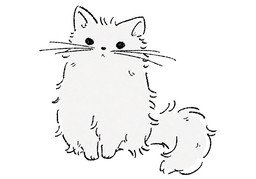
那只猫的尾巴很漂亮。nà zhǐ māo de wěi ba hěn piào liàng
That cat's tail is very beautiful.
小狗看到主人就摇尾巴。xiáo gǒu kàn dào zhǔ rén jiù yáo wěi ba
The puppy wags its tail when it sees its owner.
The part at the back of a living thing or object, especially an appendage or small piece that follows the main body.
摇尾巴yáo wěi ba
wag one's tail
夹着尾巴jiā zhe wěi ba
tuck one's tail
甩尾巴shuǎi wěi ba
swish one's tail
尾部wěi bù: The rear section of a living thing or object.
末尾mò wěi: The last position or part in a series, list, or piece of writing.
末端mò duān: The farthest end of a physical object.
口语常用词,指动物等身体后端伸出的尾状构造,也用于指物体的末端或随身带着的小部件,语气比正式词弱。kóu yǔ cháng yòng cí zhǐ dòng wù děng shēn tǐ hòu duān shēn chū de wěi zhuàng gòu zào yě yòng yú zhǐ wù tǐ de mò duān huò suí shēn dài zhe de xiǎo bù jiàn yǔ qì bǐ zhèng shì cí ruò
尾 (wěi, "tail") is the meaning-bearing part, while 巴 (ba, "suffix") adds a colloquial disyllabic form used in everyday speech.