

HSK · Level 37
120 words
Search Chinese words by characters, pinyin or English meaning.
Dictionaries
Quick links
Browse
 MotiSpiOfficial conversation app

Chinese word
Pinyinduì lì
双方在这个问题上对立。shuāng fāng zài zhè ge wèn tí shàng duì lì
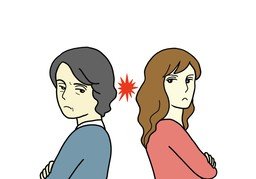
The two sides oppose each other on this issue.
政府和反对派对立,局势很紧张。zhèng fǔ hé fǎn duì pài duì lì jú shì hěn jǐn zhāng
The government and the opposition oppose each other, and the situation is very tense.
Opposing sides remain set against each other because their positions or interests do not align.
双方对立shuāng fāng duì lì
oppose each other
与政府对立yǔ zhèng fǔ duì lì
oppose the government
互相对立hù xiāng duì lì
oppose each other
冲突chōng tū: Come into conflict when different positions or actions collide.
对抗duì kàng: Face an opponent directly through force, action, or other means.
争执zhēng zhí: Argue with someone about words, claims, or a position.
争论zhēng lùn: Exchange views and reasons in a discussion about what is right.
指双方在观点或利益上处于明确相反或持续对抗的状态,但不必然指发生暴力或实际冲突。zhǐ shuāng fāng zài guān diǎn huò lì yì shàng chǔ yú míng què xiāng fǎn huò chí xù duì kàng de zhuàng tài dàn bú bì rán zhǐ fā shēng bào lì huò shí jì chōng tū
对 (duì, "face") + 立 (lì, "stand") combines facing with standing firm, giving the compound its sense of opposing positions.