

Chinese Conversation · Level 55
90 words
Search Chinese words by characters, pinyin or English meaning.
Dictionaries
Quick links
Browse
 MotiSpiOfficial conversation app

Chinese word
Pinyinmì bì
密闭窗户后,室内更暖和。mì bì chuāng hù hòu shì nèi gèng nuǎn huo
After sealing the windows, it is warmer inside.
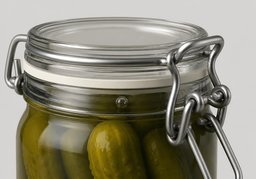
食品要密闭保存,防止变质。shí pǐn yào mì bì bǎo cún fáng zhǐ biàn zhì
Keep food sealed to prevent spoilage.
An open space becomes a separate pocket whose air and contents cannot pass through its boundary.
密闭容器mì bì róng qì
sealed container
密闭保存mì bì bǎo cún
keep sealed
密闭环境mì bì huán jìng
sealed environment
密封mì fēng: Sealing a container or package so that its contents cannot get out.
封闭fēng bì: Closing off a place or area so that people and things cannot enter or leave.
关上guān shàng: Closing a door or window to block the way through it.
堵住dǔ zhù: Blocking a hole or pipe so that air, water, or other things cannot pass through.
将物体的开口或空间封住,使内部与外部不能互相通气或渗漏。jiāng wù tǐ de kāi kǒu huò kōng jiān fēng zhù shǐ nèi bù yǔ wài bù bù néng hù xiāng tōng qì huò shèn lòu
密闭 (mìbì, "seal") is formed from 密 (mì, "tight and close-packed") plus 闭 (bì, "shut"), linking tightness with the act of closing.