

Chinese Conversation · Level 15
90 words
Search Chinese words by characters, pinyin or English meaning.
Dictionaries
Quick links
Browse
 MotiSpiOfficial conversation app

Chinese word
Pinyinkè mǎn
晚饭时间这家餐厅总是客满。wǎn fàn shí jiān zhè jiā cān tīng zǒng shì kè mǎn
This restaurant is always full at dinnertime.
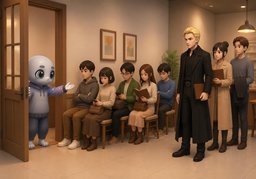
节假日这家餐厅常常客满,顾客要排队等位。jié jià rì zhè jiā cān tīng cháng cháng kè mǎn gù kè yào pái duì děng wèi
This restaurant is often full on holidays, so customers have to line up and wait for a table.
A public venue reaches its customer limit, so no place remains for another visitor.
餐厅客满cān tīng kè mǎn
restaurant at capacity
晚饭时间客满wǎn fàn shí jiān kè mǎn
restaurant at capacity at dinnertime
满员mǎn yuán: A venue is filled to its permitted capacity, so no more people can enter.
爆满bào mǎn: A venue is packed with exceptionally many customers or visitors.
无座wú zuò: A place has no seats left, leaving people to stand or wait.
指餐馆、影院等场所的顾客人数达到或超过可容纳限度,暂时无空位的状态。zhǐ cān guǎn yǐng yuàn děng cháng suǒ de gù kè rén shù dá dào huò chāo guò kě róng nà xiàn dù zàn shí wú kòng wèi de zhuàng tài
客 (kè, "customer") + 满 (mǎn, "full") combine to portray a public place filled to its customer capacity.