

HSK · Level 48
120 words
Search Chinese words by characters, pinyin or English meaning.
Dictionaries
Quick links
Browse
 MotiSpiOfficial conversation app

Chinese word
Pinyinjiāo qì
孩子太娇气,妈妈什么都替他做。hái zi tài jiāo qì mā mā shén me dōu tì tā zuò
The child is too pampered, so his mother does everything for him.
新员工太娇气,难以适应快节奏的工作。xīn yuán gōng tài jiāo qì nán yǐ shì yìng kuài jié zòu de gōng zuò
The new employee is too pampered and has trouble adapting to the fast-paced work.
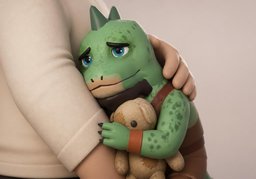
A fragile, dependent manner that turns discomfort into a need for special care.
显得娇气xiǎn de jiāo qì
appear spoiled
有点儿娇气yóu diǎnr jiāo qì
somewhat spoiled
敏感mín gǎn: Quick to notice and be affected by outside changes or other people's words.
脆弱cuì ruò: Lacking strength or resistance, so easily damaged, broken, or hurt.
软弱ruǎn ruò: Lacking firmness of will or attitude and easily giving way under pressure.
娇弱jiāo ruò: Physically or emotionally delicate, with a slender and helpless appearance.
性格上容易示弱,情绪或身体不适时常表现出需要照顾的样子。xìng gé shàng róng yì shì ruò qíng xù huò shēn tǐ bú shì shí cháng biǎo xiàn chū xū yào zhào gù de yàng zi
娇 (jiāo, "tender or spoiled") describes softness that needs protection, and 气 (qì, "disposition") extends that quality to a person's manner.