

HSK · Level 62
105 words
Search Chinese words by characters, pinyin or English meaning.
Dictionaries
Quick links
Browse
 MotiSpiOfficial conversation app

Chinese word
Pinyinzī tài
她的姿态很优雅。tā de zī tài hěn yōu yǎ
Her posture is very graceful.
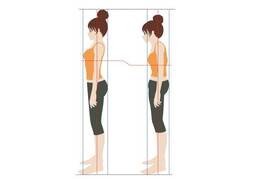
在谈判中,他突然改变了姿态,提出了妥协方案。zài tán pàn zhōng tā tū rán gǎi biàn le zī tài tí chū le tuǒ xié fāng àn
During the negotiation, he suddenly changed his stance and proposed a compromise.
A visible arrangement of the body or face that also shows how a person or thing takes a stance.
改变姿态gǎi biàn zī tài
change one's stance
采取姿态cái qǔ zī tài
adopt a stance
姿势zī shì: The way a person's body is positioned or shaped, especially when standing or sitting.
举止jú zhǐ: A person's visible conduct and manner of moving, speaking, and carrying themselves.
表情biǎo qíng: The feeling or emotion shown on a person's face.
态度tài dù: A person's inner view of someone or something and the way they respond to it.
身体或面部等外在表现的样子,指人或物呈现出的姿势和状态。shēn tǐ huò miàn bù děng wài zài biǎo xiàn de yàng zi zhǐ rén huò wù chéng xiàn chū de zī shì hé zhuàng tài
The compound joins 姿 (zī, "form or bearing") and 态 (tài, "state or manner"), moving from what is seen on the outside to the stance or condition it conveys.