

HSK · Level 1
130 words
Search Chinese words by characters, pinyin or English meaning.
Dictionaries
Quick links
Browse
 MotiSpiOfficial conversation app

Chinese word
Pinyinyí
我今天去看望姨。wǒ jīn tiān qù kàn wàng yí
I am visiting my aunt today.
我每个月给姨打电话,问她身体情况。wǒ měi gè yuè gěi yí dǎ diàn huà wèn tā shēn tǐ qíng kuàng
I call my aunt every month and ask how she is.
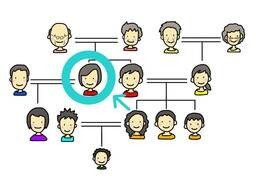
A close family role on the mother's side, centered on the mother's sister.
看望姨kàn wàng yí
visit one's aunt
给姨打电话gěi yí dǎ diàn huà
call one's aunt
照顾姨zhào gù yí
take care of one's aunt
阿姨ā yí: An affectionate or polite address for a maternal aunt or a similarly aged woman outside the family.
姨母yí mǔ: The formal written designation for a mother's sister.
舅舅jiù jiù: The brother of one's mother, or a maternal uncle.
姑姑gū gū: The sister of one's father, or a paternal aunt.
表示母方的女性亲属,特指母亲的姐妹;在口语中单独用“姨”或加“阿”称呼以示亲昵或礼貌。biǎo shì mǔ fāng de nǚ xìng qīn shǔ tè zhǐ mǔ qīn de jiě mèi zài kóu yǔ zhōng dān dú yòng yí huò jiā ā chēng hū yǐ shì qīn nì huò lǐ mào
姨 (yí, "maternal aunt") is a phonosemantic character: 女 (nǚ, "woman") points to its meaning and 夷 (yí, "phonetic element") indicates its sound.