

Chinese Conversation · Level 75
90 words
Search Chinese words by characters, pinyin or English meaning.
Dictionaries
Quick links
Browse
 MotiSpiOfficial conversation app

Chinese word
Pinyintuǒ xié
为了达成协议,我们只好妥协。wèi le dá chéng xié yì wǒ men zhí hǎo tuǒ xié
To reach an agreement, we had no choice but to compromise.
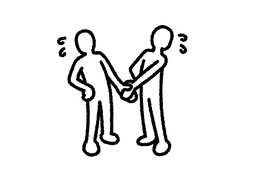
在谈判中,他宁可让步也不愿轻易妥协。zài tán pàn zhōng tā nìng kě ràng bù yě bú yuàn qīng yì tuǒ xié
During negotiations, he would rather make concessions than compromise easily.
A locked negotiation opens when one or both sides loosen their demands enough to create room for a shared result.
不得不妥协bù dé bù tuǒ xié
have no choice but to compromise
主动妥协zhǔ dòng tuǒ xié
voluntarily compromise
不愿妥协bú yuàn tuǒ xié
be unwilling to compromise
让步ràng bù: Lowering one's demands or conditions to yield to the other side.
折衷zhé zhōng: Choosing a middle solution by combining the best points from both sides.
迁就qiān jiù: Adjusting one's actions or views to fit another person's habits or wishes.
为了达成共同的结果而放弃或降低自己部分要求或立场,以便与对方达成协议或和解的行为或过程。wèi le dá chéng gòng tóng de jié guǒ ér fàng qì huò jiàng dī zì jǐ bù fèn yāo qiú huò lì chǎng yǐ biàn yǔ duì fāng dá chéng xié yì huò hé jiě de xíng wéi huò guò chéng
妥协 (tuǒxié, "compromise") joins 妥 (tuǒ, "suitable or settled") and 协 (xié, "cooperate"), presenting cooperation as a way to reach a settled arrangement.