

HSK · Level 79
45 words
Search Chinese words by characters, pinyin or English meaning.
Dictionaries
Quick links
Browse
 MotiSpiOfficial conversation app

Chinese word
Pinyinnú lì
我们不能把任何人当作奴隶。wǒ men bù néng bǎ rèn hé rén dàng zuò nú lì
We must not treat anyone as a slave.
许多历史学家研究了奴隶制度的形成和影响。xǔ duō lì shǐ xué jiā yán jiū le nú lì zhì dù de xíng chéng hé yíng xiǎng
Many historians have studied how slavery formed and its impact.
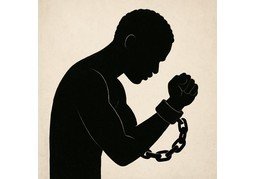
A person placed completely under another person's ownership, control, and labor demands.
奴隶制度nú lì zhì dù
slave system
成为奴隶chéng wéi nú lì
become a slave
奴隶主nú lì zhǔ
slaveholder
解放奴隶jiě fàng nú lì
liberate slaves
仆人pú rén: A person hired to clean a home and take care of the household's daily needs.
佣人yōng rén: A paid household worker hired to do housework and other small tasks.
劳工láo gōng: A worker who earns wages through physical labor or simple routine tasks.
雇工gù gōng: A hired worker who does physical labor or temporary jobs.
被他人买卖、占有并被迫劳动、失去人身自由的人。bèi tā rén mǎi mài zhàn yǒu bìng bèi pò láo dòng shī qù rén shēn zì yóu de rén
奴 (nú, "slave") + 隶 (lì, "servant") forms a compound that highlights dependence on another person and loss of freedom.