

Chinese Conversation · Level 44
90 words
Search Chinese words by characters, pinyin or English meaning.
Dictionaries
Quick links
Browse
 MotiSpiOfficial conversation app

Chinese word
Pinyinnǚ xù
她的女婿很会做饭。tā de nǚ xù hěn huì zuò fàn
Her son-in-law is very good at cooking.
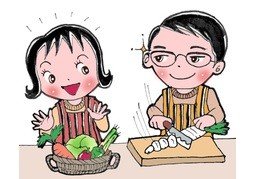
她妈妈一开始不太接受女婿。tā mā mā yì kāi shǐ bú tài jiē shòu nǚ xù
At first, her mother was not very accepting of her son-in-law.
A daughter's husband viewed as a recognized member of her family.
接受女婿jiē shòu nǚ xù
accept a son-in-law
带女婿回家dài nǚ xù huí jiā
bring a son-in-law home
欢迎女婿到家里huān yíng nǚ xù dào jiā lǐ
welcome a son-in-law home
婿xù: A brief conversational name for a daughter's husband.
女儿的丈夫nǚ ér de zhàng fū: The easily understood expression for a daughter's husband.
入赘女婿rù zhuì nǚ xù: A daughter's husband who enters his wife's family and lives as one of its members.
指与某人(尤指父母)的女儿结婚的男子,即女儿的丈夫。zhǐ yǔ mǒu rén yóu zhǐ fù mǔ de nǚ ér jié hūn de nán zi jí nǚ ér de zhàng fū
女婿 (nǚxù, "son-in-law") combines 女 (nǚ, "daughter or woman") with 婿 (xù, "daughter's husband"), making the family relationship explicit.