

Chinese Conversation · Level 33
90 words
Search Chinese words by characters, pinyin or English meaning.
Dictionaries
Quick links
Browse
 MotiSpiOfficial conversation app

Chinese word
Pinyinshī mián
最近我常常失眠。zuì jìn wǒ cháng cháng shī mián
I often have trouble sleeping these days.
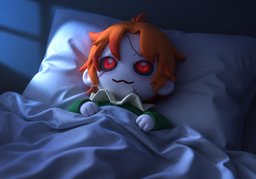
考试前一晚,我因为紧张整夜失眠。kǎo shì qián yì wǎn wǒ yīn wèi jǐn zhāng zhěng yè shī mián
The night before the exam, I had trouble sleeping all night because I was nervous.
The usual nighttime rest fails to arrive or fails to refresh the sleeper.
经常失眠jīng cháng shī mián
often have trouble sleeping
整夜失眠zhěng yè shī mián
have trouble sleeping all night
睡不着shuì bù zhe: Fail to fall asleep even after getting into bed.
睡不好shuì bù hǎo: Have sleep that is too light or broken by waking up.
入睡rù shuì: Enter sleep or start to fall asleep.
不能入睡或睡眠质量很差,无法获得足够的休息。bù néng rù shuì huò shuì mián zhì liàng hěn chà wú fǎ huò dé zú gòu de xiū xī
The compound joins 失 (shī, "lose") with 眠 (mián, "sleep"), making lost sleep its central picture.