

Chinese Conversation · Level 63
90 words
Search Chinese words by characters, pinyin or English meaning.
Dictionaries
Quick links
Browse
 MotiSpiOfficial conversation app

Chinese word
Pinyintài yáng xué
我按了我的 太阳穴。wǒ àn le wǒ de tài yáng xué
I pressed my temple.
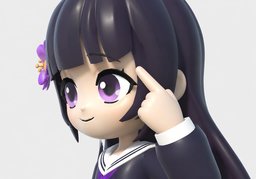
妈妈帮孩子轻轻按摩太阳穴,孩子慢慢安静下来。mā mā bāng hái zi qīng qīng àn mó tài yáng xué hái zi màn màn ān jìng xià lái
Mom gently massaged the child's temple, and the child gradually calmed down.
A slight hollow on each side of the head, between the outer eyebrow and the upper cheekbone.
按摩太阳穴àn mó tài yáng xué
massage the temple
捂住太阳穴wǔ zhù tài yáng xué
hold one's temple
额头é tóu: The flat upper part of the face between the hairline and the eyebrows.
眉间méi jiān: The narrow area between the eyebrows, in the lower middle of the forehead.
颧骨quán gǔ: The raised cheek bone below the eye and toward the side of the face.
耳朵ér duǒ: The outer organ on the side of the head used for hearing.
头部两侧、眉毛外侧靠近颧骨上方的略微凹陷处。tóu bù liǎng cè méi máo wài cè kào jìn quán gǔ shàng fāng de lüè wēi āo xiàn chù
太阳穴 (tàiyángxué, "temple") combines 太阳 (tàiyáng, "sun") with 穴 (xué, "cavity"), with 太阳 naming the acupoint and 穴 referring to its hollow.