

Chinese Conversation · Level 18
90 words
Search Chinese words by characters, pinyin or English meaning.
Dictionaries
Quick links
Browse
 MotiSpiOfficial conversation app

Chinese word
Pinyindà tuǐ
医生检查了我的大腿,说没有骨折。yī shēng jiǎn chá le wǒ de dà tuǐ shuō méi yǒu gǔ zhé
The doctor examined my thigh and said there was no fracture.
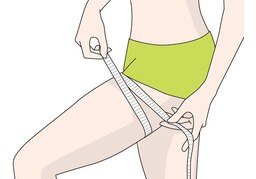
昨天骑车时我擦伤了大腿。zuó tiān qí chē shí wǒ cā shāng le dà tuǐ
I scraped my thigh while riding a bike yesterday.
The substantial upper part of the leg, forming a strong bridge between the hip and the knee.
大腿外侧dà tuǐ wài cè
outer thigh
擦伤大腿cā shāng dà tuǐ
scrape one's thigh
腿tuǐ: The entire leg, which may cover the thigh, lower leg, and foot.
大腿部dà tuǐ bù: A formal body-part term for the upper leg between the hip and knee.
股gǔ: The part near the root of the thigh and the surrounding groin area.
人体下肢的上段,介于髋和膝之间,外侧与内侧组织较厚,负责支撑身体重量。rén tǐ xià zhī de shàng duàn jiè yú kuān hé xī zhī jiān wài cè yǔ nèi cè zǔ zhī jiào hòu fù zé zhī chēng shēn tǐ zhòng liàng
In 大腿 (dàtuǐ, "thigh"), 大 (dà, "large") narrows the meaning of 腿 (tuǐ, "leg") to its larger upper portion.