

HSK · Level 46
120 words
Search Chinese words by characters, pinyin or English meaning.
Dictionaries
Quick links
Browse
 MotiSpiOfficial conversation app

Chinese word
Pinyindà jīng xiǎo guài
没必要为这点事大惊小怪。méi bì yào wèi zhè diǎn shì dà jīng xiǎo guài
There's no need to overreact to something this small.
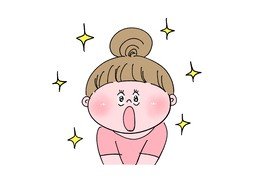
在紧急情况下,他不会大惊小怪,而是马上采取行动。zài jǐn jí qíng kuàng xià tā bú huì dà jīng xiǎo guài ér shì mǎ shàng cái qǔ xíng dòng
In an emergency, he does not make a fuss but immediately takes action.
A quiet ripple is mistaken for a storm, and the response creates more disturbance than the original event.
别再大惊小怪bié zài dà jīng xiǎo guài
stop overreacting
不要对这事大惊小怪bú yào duì zhè shì dà jīng xiǎo guài
don't make a fuss about this matter
小题大做xiǎo tí dà zuò: Treating a small problem as a major one and making far more of it than needed.
小题大办xiǎo tí dà bàn: Making elaborate preparations or arrangements for a matter that is not important.
小题大作xiǎo tí dà zuò: Making a big fuss over a minor matter by presenting it as more serious than it is.
对微不足道的事表现出夸张的惊讶或不必要的慌张,以至于引起不必要的关注或纷争。duì wēi bù zú dào de shì biǎo xiàn chū kuā zhāng de jīng yà huò bú bì yào de huāng zhāng yǐ zhì yú yín qǐ bú bì yào de guān zhù huò fēn zhēng
大 (dà, "great") + 惊 (jīng, "alarm") is set against 小 (xiǎo, "small") + 怪 (guài, "oddity"), portraying a minor matter as a serious alarm.