

Chinese Conversation · Level 6
90 words
Search Chinese words by characters, pinyin or English meaning.
Dictionaries
Quick links
Browse
 MotiSpiOfficial conversation app

Chinese word
Pinyindà shēng
他大声说话,影响了别人。tā dà shēng shuō huà yíng xiǎng le bié rén
He spoke loudly and bothered other people.
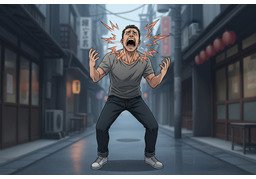
孩子们在教室里大声笑,老师生气了。hái zi men zài jiào shì lǐ dà shēng xiào lǎo shī shēng qì le
The children laughed loudly in the classroom, and the teacher got angry.
Sound strong enough to spread clearly beyond the person or thing making it.
大声说话dà shēng shuō huà
speak loudly
大声唱歌dà shēng chàng gē
sing loudly
大声笑dà shēng xiào
laugh loudly
用很大的声音说话或发出声音的方式,表示音量大,常作副词修饰动词。yòng hěn dà de shēng yīn shuō huà huò fā chū shēng yīn de fāng shì biǎo shì yīn liàng dà cháng zuò fù cí xiū shì dòng cí
大 (dà, "big") + 声 (shēng, "sound") joins the idea of size with the idea of sound, forming a direct picture of sound with a high volume.