

HSK · Level 29
135 words
Search Chinese words by characters, pinyin or English meaning.
Dictionaries
Quick links
Browse
 MotiSpiOfficial conversation app

Chinese word
Pinyinwài lái
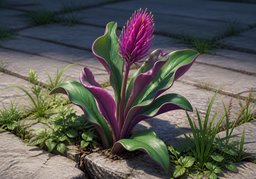
这是一种外来植物。zhè shì yì zhǒng wài lái zhí wù
This is a foreign plant.
很多外来文化通过媒体传播。hěn duō wài lái wén huà tōng guò méi tǐ chuán bō
Many foreign cultures spread through the media.
Something enters a local setting with its origin elsewhere.
外来词wài lái cí
loanword
外来植物wài lái zhí wù
introduced plant
外来文化wài lái wén huà
foreign culture
外地的wài dì de: Having its home or source in a different area.
异地的yì dì de: Involving people, things, or events from another location.
指由外地或国外引入并在当地出现或存在的事物或属性,作为形容词用于修饰名词,常见于生物、词汇等搭配。zhǐ yóu wài dì huò guó wài yǐn rù bìng zài dāng dì chū xiàn huò cún zài de shì wù huò shǔ xìng zuò wéi xíng róng cí yòng yú xiū shì míng cí cháng jiàn yú shēng wù cí huì děng dā pèi
The word 外来 (wàilái, "foreign") is formed from 外 (wài, "outside") and 来 (lái, "come"), so its structure highlights arrival from an external source.