

HSK · Level 18
135 words
Search Chinese words by characters, pinyin or English meaning.
Dictionaries
Quick links
Browse
 MotiSpiOfficial conversation app

Chinese word
Pinyinzhuàng shí
这张床很壮实,可以承重。zhè zhāng chuáng hěn zhuàng shí ké yǐ chéng zhòng
This bed is very sturdy and can support weight.
这件外套让他看起来更壮实。zhè jiàn wài tào ràng tā kàn qǐ lái gèng zhuàng shí
This coat makes him look sturdier.
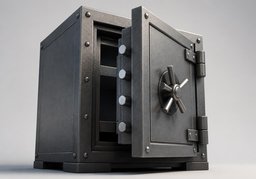
A visibly substantial build that also feels solid and dependable inside.
壮实的身躯zhuàng shí de shēn qū
sturdy physique
看起来壮实kàn qǐ lái zhuàng shí
appear sturdy
结实jiē shí: Strong enough to withstand force or weight without breaking easily.
牢固láo gù: Firmly fixed in place and unlikely to move, loosen, or collapse.
强壮qiáng zhuàng: Muscular and powerful in build, mainly describing a person.
健壮jiàn zhuàng: Healthy and physically strong, with a body that seems able to resist illness and fatigue.
表示人或物既有外在的厚实感又有内在的坚固性,给人可靠、耐用的感觉。biǎo shì rén huò wù jì yǒu wài zài de hòu shí gǎn yòu yǒu nèi zài de jiān gù xìng gěi rén kě kào nài yòng de gǎn jué
壮实 (zhuàngshí, "sturdy") combines 壮 (zhuàng, "strong") + 实 (shí, "solid"), linking a substantial outward form with dependable strength.