

HSK · Level 33
135 words
Search Chinese words by characters, pinyin or English meaning.
Dictionaries
Quick links
Browse
 MotiSpiOfficial conversation app

Chinese word
Pinyinmù
我们去墓前祭拜祖先吧。wǒ men qù mù qián jì bài zǔ xiān ba
Let's go pay our respects to our ancestors at the grave.
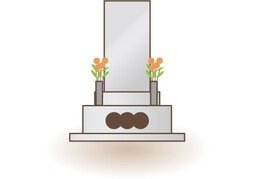
考古队在古墓中发掘出完整的陪葬品。káo gǔ duì zài gǔ mù zhōng fā jué chū wán zhěng de péi zàng pǐn
The archaeological team unearthed a complete set of grave goods in an ancient tomb.
A marked place where a dead person is buried, ranging from one grave to a larger burial ground.
古墓gǔ mù
ancient tomb
墓碑mù bēi
tombstone
墓穴mù xué
burial pit
坟fén: An individual grave with a raised mound of earth.
墓地mù dì: A burial area where many graves are gathered.
墓碑mù bēi: A stone or marker engraved with a buried person's name and life dates.
供悼念与安置遗体的处所,既可指单个坟墓,也可作为构词成分表示墓地等埋葬相关处所gōng dào niàn yǔ ān zhì yí tǐ de chù suǒ jì kě zhǐ dān gè fén mù yě kě zuò wéi gòu cí chéng fèn biǎo shì mù dì děng mái zàng xiāng guān chù suǒ
墓 (mù, "grave") is a phono-semantic character: 土 (tǔ, "earth") signals a burial place, while 莫 (mò, "not") mainly supplies the sound.