

Chinese Conversation · Level 45
90 words
Search Chinese words by characters, pinyin or English meaning.
Dictionaries
Quick links
Browse
 MotiSpiOfficial conversation app

Chinese word
Pinyintián mái
他们把路边的坑填埋了。tā men bǎ lù biān de kēng tián mái le
They filled in the hole by the roadside.
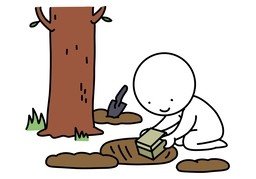
春天他们把花坛里的洞填埋好,准备种花。chūn tiān tā men bǎ huā tán lǐ de dòng tián mái hǎo zhǔn bèi zhòng huā
In spring, they filled in the hole in the flower bed and prepared to plant flowers.
Material is packed into a hollow and covered so the surface becomes level with the surrounding ground.
填埋坑tián mái kēng
fill in a pit
往坑里填埋土wǎng kēng lǐ tián mái tǔ
fill a pit with soil
埋mái: Putting an object or waste into the ground and covering it with earth.
填补tián bǔ: Supplying what is missing by adding material or another needed resource.
填平tián píng: Putting soil or sand into a hollow place and smoothing it flat.
用土壤或其他材料把坑、沟或空隙填满并覆盖,使表面与周围保持平整。yòng tú rǎng huò qí tā cái liào bǎ kēng gōu huò kòng xì tián mǎn bìng fù gài shǐ biǎo miàn yǔ zhōu wéi bǎo chí píng zhěng
填 (tián, "fill") + 埋 (mái, "bury") combines the ideas of putting material into a hollow and covering it, matching the complete action named by the verb.