

HSK · Level 24
135 words
Search Chinese words by characters, pinyin or English meaning.
Dictionaries
Quick links
Browse
 MotiSpiOfficial conversation app

Chinese word
Pinyinsāi
他把药塞进了口袋。tā bǎ yào sāi jìn le kǒu dài
He stuffed the medicine into his pocket.
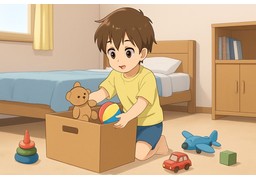
她在书页里塞了一张便条。tā zài shū yè lǐ sāi le yì zhāng biàn tiáo
She stuffed a note between the pages of the book.
An object is pushed into a confined opening until the space is full and the passage is closed.
把钱塞进钱包bǎ qián sāi jìn qián bāo
stuff money into a wallet
塞进嘴里sāi jìn zuí lǐ
stuff into the mouth
塞到抽屉里sāi dào chōu tì lǐ
stuff into a drawer
插chā: Put a thin object or rod into a hole or narrow space.
填满tián mǎn: Make an empty area or container full of solid material or liquid.
堵dǔ: Close off an opening or route and stop anything from passing through.
推tuī: Use force to move something forward or deeper.
把某物塞入缝隙、袋口或口中,使该处被填满或被堵住。bǎ mǒu wù sāi rù fèng xì dài kǒu huò kǒu zhōng shǐ gāi chù bèi tián mǎn huò bèi dǔ zhù
The character 塞 (sāi, "to stuff; to block") is also linked to the older noun sense of a barrier or fortress, connecting packed material with a closed route.