

HSK · Level 76
45 words
Search Chinese words by characters, pinyin or English meaning.
Dictionaries
Quick links
Browse
 MotiSpiOfficial conversation app

Chinese word
Pinyinchuí tóu sàng qì
考试失败后,他垂头丧气。kǎo shì shī bài hòu tā chuí tóu sàng qì
After failing the exam, he was dejected.
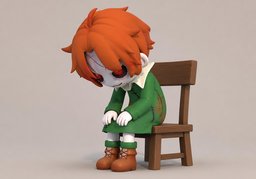
他收到批评后,神情垂头丧气。tā shōu dào pī píng hòu shén qíng chuí tóu sàng qì
After receiving criticism, he looked dejected.
Head lowered and spirit drained after a setback, with no energy to act.
一副垂头丧气的样子yí fù chuí tóu sàng qì de yàng zi
a dejected look
垂头丧气地坐着chuí tóu sàng qì dì zuò zhe
sit dejectedly
变得垂头丧气biàn de chuí tóu sàng qì
become dejected
闷闷不乐mèn mèn bú lè: Feeling down and unable to enjoy things, with low energy.
心灰意冷xīn huī yì lěng: Deeply disappointed after hopes or expectations fade, with the will to act gone.
意气消沉yì qì xiāo chén: Having low morale and reduced drive, with little energy for action.
形容因失败、失望或遭遇挫折后情绪低落、无精打采、精神不振。xíng róng yīn shī bài shī wàng huò zāo yù cuò zhé hòu qíng xù dī luò wú jīng dá cǎi jīng shén bú zhèn
The idiom 垂头丧气 (chuítóusàngqì, "dejected") pairs the image of a hanging head with lost spirit to express low morale after a setback.