

HSK · Level 44
120 words
Search Chinese words by characters, pinyin or English meaning.
Dictionaries
Quick links
Browse
 MotiSpiOfficial conversation app

Chinese word
Pinyinfén mù
清明节我们去扫坟墓。qīng míng jié wǒ men qù sǎo fén mù
During the Qingming Festival, we go clean the graves.
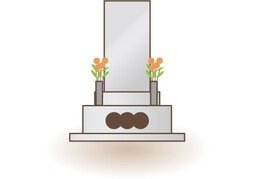
考古学家发现了一座保存完好的古代坟墓。káo gǔ xué jiā fā xiàn le yí zuò bǎo cún wán hǎo de gǔ dài fén mù
Archaeologists discovered a well-preserved ancient tomb.
A resting place for the dead, from one earthen mound or burial chamber to the surrounding grounds.
修建坟墓xiū jiàn fén mù
build a grave
保护坟墓bǎo hù fén mù
protect a grave
破坏坟墓pò huài fén mù
destroy a grave
坟fén: A small earthen mound marking a burial place, or the grave beneath it.
墓地mù dì: A designated area where multiple graves are located.
墓碑mù bēi: A stone marker engraved with a dead person's name or burial record.
墓穴mù xué: An underground hole or chamber dug to hold a dead person's remains.
埋葬逝者的土堆或墓穴,常用于书面语,含义可扩大到墓地或陵园。mái zàng shì zhě de tǔ duī huò mù xué cháng yòng yú shū miàn yǔ hán yì kě kuò dà dào mù dì huò líng yuán
坟墓 (fénmù, "grave") combines 坟 (fén, "earthen burial mound") and 墓 (mù, "burial place"), pairing two closely related burial terms.