

HSK · Level 6
133 words
Search Chinese words by characters, pinyin or English meaning.
Dictionaries
Quick links
Browse
 MotiSpiOfficial conversation app

Chinese word
Pinyinwéi
大家把孩子围在中间。dà jiā bǎ hái zi wéi zài zhōng jiān
Everyone surrounds the child, with the child in the middle.
警察把嫌疑人围住了,准备逮捕。jǐng chá bǎ xián yí rén wéi zhù le zhǔn bèi dài bǔ
The police have surrounded the suspect and are preparing to arrest him.
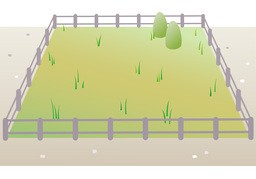
Closes in from all sides so that a person or thing remains within a boundary.
被围住bèi wéi zhù
be surrounded
围观wéi guān
crowd around to watch
围成圈wéi chéng quān
form a circle
围住wéi zhù: To surround someone or something so that escape is blocked and the person or thing stays in place.
包围bāo wéi: To surround someone or something as a group, restricting movement and cutting off outside access.
用人群或物件从四周包围某人或某物,使其处于内部并与外界隔离yòng rén qún huò wù jiàn cóng sì zhōu bāo wéi mǒu rén huò mǒu wù shǐ qí chǔ yú nèi bù bìng yǔ wài jiè gé lí
围 (wéi, "surround") uses 囗 (wéi, "enclosure") for the idea of a closed boundary and 韦 (wéi, "leather") mainly for its sound.