

HSK · Level 65
90 words
Search Chinese words by characters, pinyin or English meaning.
Dictionaries
Quick links
Browse
 MotiSpiOfficial conversation app

Chinese word
Pinyinduō suo
他冷得直哆嗦。tā lěng de zhí duō suo
He was so cold that he kept shivering.
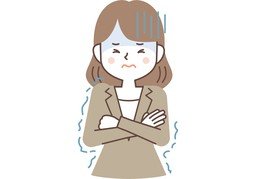
听到突然而来的声音,她吓得浑身哆嗦。tīng dào tū rán ér lái de shēng yīn tā xià de hún shēn duō suo
When she heard a sudden sound, she trembled all over with fear.
Cold, nervousness, or fear makes the body or voice quiver in short, uneven bursts.
冷得发哆嗦lěng de fā duō suo
shiver from the cold
手脚都哆嗦shóu jiǎo dōu duō suo
hands and feet tremble
吓得浑身哆嗦xià de hún shēn duō suo
tremble all over with fear
发抖fā dǒu: To shake because of cold or fear in the body or in parts such as the hands and feet.
颤抖chàn dǒu: To tremble from cold or emotion, with a somewhat formal tone when describing a body or voice.
口语中表示因寒冷、紧张或害怕而出现的短促颤抖,常用于形容身体或声音的抖动。动词。kóu yǔ zhōng biǎo shì yīn hán lěng jǐn zhāng huò hài pà ér chū xiàn de duǎn cù chàn dǒu cháng yòng yú xíng róng shēn tǐ huò shēng yīn de dǒu dòng dòng cí
哆嗦 (duōsuo, "shiver") uses a repeated sound pattern rather than the separate meanings of its characters to suggest stop-start trembling.