

Chinese Conversation · Level 5
89 words
Search Chinese words by characters, pinyin or English meaning.
Dictionaries
Quick links
Browse
 MotiSpiOfficial conversation app

Chinese word
Pinyinyí
咦,我的手机呢?yí wǒ de shǒu jī ne
Oh, where's my phone?
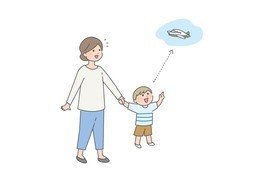
咦,真的吗?我没听清楚。yí zhēn de ma wǒ méi tīng qīng chǔ
Oh, really? I didn't hear that clearly.
A small vocal pause that marks a new, slightly puzzling observation.
咦,真的吗yí zhēn de ma
Oh, really
咦,不是吧yí bú shì ba
Oh, no way
啊a: A short sound expressing sudden surprise.
哦ó: A short sound marking a moment of realization.
哇wa: An excited exclamation showing strong wonder.
用于表达对眼前事物产生轻微惊讶或疑惑的短促语气词,语气通常较轻,多见于口语并可接疑问句。yòng yú biǎo dá duì yǎn qián shì wù chǎn shēng qīng wēi jīng yà huò yí huò de duǎn cù yǔ qì cí yǔ qì tōng cháng jiào qīng duō jiàn yú kóu yǔ bìng kě jiē yí wèn jù
咦 (yí, "oh") is written as 口 (kǒu, "mouth") + 夷 (yí, "barbarian"), with 口 linking the character to a spoken reaction and 夷 mainly guiding the sound.