

Chinese Conversation · Level 81
91 words
Search Chinese words by characters, pinyin or English meaning.
Dictionaries
Quick links
Browse
 MotiSpiOfficial conversation app

Chinese word
Pinyinjiù yóu zì qǔ
他骗了别人,最后咎由自取。tā piàn le bié rén zuì hòu jiù yóu zì qǔ
He deceived others and, in the end, brought it on himself.
你明知道会迟到还不早点出门,迟到被批评也是咎由自取。nǐ míng zhī dào huì chí dào hái bù záo diǎn chū mén chí dào bèi pī píng yě shì jiù yóu zì qǔ
You knew you would be late but still did not leave early, so being criticized for being late is something you brought on yourself.
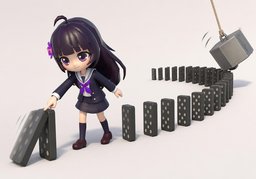
A chain of consequences turns back on the person whose own fault starts it.
自作自受zì zuò zì shòu: Describes receiving the consequences of one's own actions.
自食其果zì shí qí guǒ: Presents the results of one's actions as something one must bear.
活该huó gāi: Says that a person's bad outcome is only to be expected from what that person did.
形容因个人的行为或过错而招致不良后果或惩罚,强调行为与后果的因果关系,相当于自作自受。xíng róng yīn gè rén de xíng wéi huò guò cuò ér zhāo zhì bù liáng hòu guǒ huò chéng fá qiáng diào xíng wéi yǔ hòu guǒ de yīn guǒ guān xì xiāng dāng yú zì zuò zì shòu
咎 (jiù, "fault") + 由 (yóu, "come from") + 自 (zì, "self") + 取 (qǔ, "take") builds the idea that a person's own fault is the source of the consequences that person receives.