

HSK · Level 25
135 words
Search Chinese words by characters, pinyin or English meaning.
Dictionaries
Quick links
Browse
 MotiSpiOfficial conversation app

Chinese word
Pinyinhòu zhě
这两种方法,后者更容易。zhè liáng zhǒng fāng fǎ hòu zhě gèng róng yì
Of the two methods, the latter is easier.
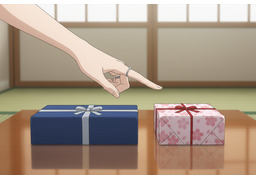
在两种方案中,我更倾向于后者。zài liáng zhǒng fāng àn zhōng wǒ gèng qīng xiàng yú hòu zhě
Of the two options, I favor the latter.
The second item in a pair remains identified without its noun being repeated.
选择后者xuǎn zé hòu zhě
select the latter
倾向于后者qīng xiàng yú hòu zhě
lean toward the latter
偏向后者piān xiàng hòu zhě
prefer the latter
前者qián zhě: The item named first when two items have been mentioned.
第二个dì èr gè: The item that comes second in a stated order.
另一个lìng yí gè: Another item in a group, separate from one just mentioned.
两者liáng zhě: The two stated items viewed together.
用来指示之前并列的两项中的后面一项,常用来简洁替代重复提到的名词。yòng lái zhǐ shì zhī qián bìng liè de liǎng xiàng zhōng de hòu miàn yí xiàng cháng yòng lái jiǎn jié tì dài chóng fù tí dào de míng cí
后 (hòu, "after") + 者 (zhě, "one") points to a later one, giving the word its use for the second of two mentioned items.