

Chinese Conversation · Level 37
90 words
Search Chinese words by characters, pinyin or English meaning.
Dictionaries
Quick links
Browse
 MotiSpiOfficial conversation app

Chinese word
Pinyinhòu fāng
发生事故,车辆停在后方,请绕行。fā shēng shì gù chē liàng tíng zài hòu fāng qǐng rào xíng
There has been an accident, and a vehicle is stopped farther back. Please take a detour.
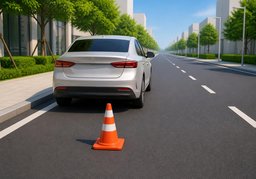
请注意后方来车。qǐng zhù yì hòu fāng lái chē
Please watch for vehicles approaching from behind.
The rearward zone behind a reference point, extending in the direction opposite to the front or movement.
注意后方zhù yì hòu fāng
watch behind
后方车辆hòu fāng chē liàng
vehicle behind
从后方超车cóng hòu fāng chāo chē
overtake from behind
后面hòu miàn: The area behind a person or object in everyday speech.
背后bèi hòu: The area directly behind a person or object, at its back.
后头hòu tou: The place or area farther back, in casual spoken language.
用来指示某物或某人的背后一带,即位于视线或运动方向后面的区域。yòng lái zhǐ shì mǒu wù huò mǒu rén de bèi hòu yí dài jí wèi yú shì xiàn huò yùn dòng fāng xiàng hòu miàn de qū yù
后 (hòu, "back") + 方 (fāng, "direction or area") forms a word for a rearward region, not just a backward-facing side.