

HSK · Level 20
135 words
Search Chinese words by characters, pinyin or English meaning.
Dictionaries
Quick links
Browse
 MotiSpiOfficial conversation app

Chinese word
Pinyinhòu dài
父母要为后代考虑教育问题。fù mǔ yào wèi hòu dài kǎo lǜ jiào yù wèn tí
Parents should think about their descendants' education.
我们应该保护环境,为后代留下良好生态。wǒ men yīng gāi bǎo hù huán jìng wèi hòu dài liú xià liáng hǎo shēng tài
We should protect the environment and leave a healthy ecosystem for our descendants.
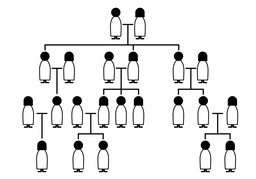
People connected to an earlier generation through a continuing family line.
为后代着想wèi hòu dài zhuó xiǎng
consider descendants
影响后代yíng xiǎng hòu dài
affect descendants
留给后代liú gěi hòu dài
leave for descendants
保护后代bǎo hù hòu dài
protect descendants
子孙zǐ sūn: The children, grandchildren, and later generations of a family.
后人hòu rén: People of later generations who come after an earlier age or person.
从某一代起向后延续的各代人,常用于强调时间上的继承和延续。cóng mǒu yí dài qǐ xiàng hòu yán xù de gè dài rén cháng yòng yú qiáng diào shí jiān shàng de jì chéng hé yán xù
后代 (hòudài, "descendants") combines 后 (hòu, "later") with 代 (dài, "generation"), placing the family members in later generations.