

Chinese Conversation · Level 42
90 words
Search Chinese words by characters, pinyin or English meaning.
Dictionaries
Quick links
Browse
 MotiSpiOfficial conversation app

Chinese word
Pinyinhé jì
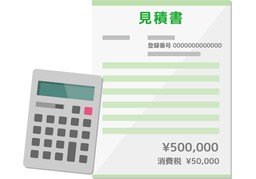
收据上的合计是五十元。shōu jù shàng de hé jì shì wǔ shí yuán
The total on the receipt is 50 yuan.
投票结果中,候选人的合计票数超过了五万。tóu piào jié guǒ zhōng hòu xuǎn rén de hé jì piào shù chāo guò le wǔ wàn
In the voting results, the candidate's total votes exceeded 50,000.
Several amounts come together as one final figure, whether the figure is money or a count.
合计费用hé jì fèi yòng
total expenses
合计票数hé jì piào shù
total votes
总计zǒng jì: The complete total of all figures or items included in a calculation.
总额zǒng é: The full amount of money obtained by adding several sums together.
小计xiǎo jì: The partial total obtained by adding only some of the items together.
把若干数目或项目的数值相加得出的总数或总额。bǎ ruò gān shù mù huò xiàng mù dì shù zhí xiāng jiā dé chū de zǒng shù huò zǒng é
合 (hé, "join") + 计 (jì, "calculate") forms a word for the figure reached by bringing separate numbers together.