

HSK · Level 47
120 words
Search Chinese words by characters, pinyin or English meaning.
Dictionaries
Quick links
Browse
 MotiSpiOfficial conversation app

Chinese word
Pinyingǔ dài
这部电影讲的是古代的故事。zhè bù diàn yǐng jiǎng de shì gǔ dài de gù shì
This movie tells a story from ancient times.
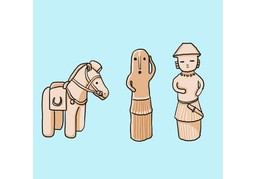
我在博物馆看到了很多古代的文物。wǒ zài bó wù guǎn kàn dào le hěn duō gǔ dài de wén wù
I saw many ancient artifacts at the museum.
A far-off stage of human history, especially when early civilizations and societies are taking shape.
古代文明gǔ dài wén míng
ancient civilization
古代历史gǔ dài lì shǐ
ancient history
以前yǐ qián: A time before a particular point or period.
过去guò qù: Time that has already passed, viewed broadly from the present.
从前cóng qián: A long-ago period, often evoked in stories or memories.
指距今很久的历史时期,通常指文明或社会发展较早的年代。zhǐ jù jīn hěn jiǔ de lì shǐ shí qī tōng cháng zhǐ wén míng huò shè huì fā zhǎn jiào zǎo de nián dài
古 (gǔ, "old") + 代 (dài, "period") forms a term for a distant historical age associated with early civilization.