

Chinese Conversation · Level 45
90 words
Search Chinese words by characters, pinyin or English meaning.
Dictionaries
Quick links
Browse
 MotiSpiOfficial conversation app

Chinese word
Pinyinkǒu kǔ
吃了药后我觉得口苦。chī le yào hòu wǒ jué de kóu kǔ
After taking the medicine, I feel a bitter taste in my mouth.
早上起床时有时会有口苦的感觉。zǎo shàng qǐ chuáng shí yǒu shí huì yǒu kóu kǔ de gǎn jué
Sometimes my mouth tastes bitter when I wake up in the morning.
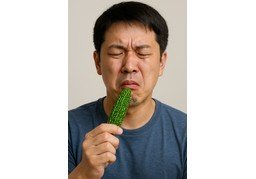
The mouth temporarily carries a bitter flavor from something recently eaten or drunk.
有点口苦yóu diǎn kóu kǔ
slightly bitter in the mouth
口苦的感觉kóu kǔ de gǎn jué
a feeling of bitterness in the mouth
苦kǔ: Having a bitter taste, especially of food or drink.
苦涩kǔ sè: Having a bitter, astringent taste that lingers and feels unpleasant.
涩sè: Having a dry, rough, puckering taste in the mouth.
嘴里感到苦味,通常是短暂的感觉,常见于吃了药、喝了苦茶或吃某些食物后。zuí lǐ gǎn dào kǔ wèi tōng cháng shì duǎn zàn de gǎn jué cháng jiàn yú chī le yào hē le kǔ chá huò chī mǒu xiē shí wù hòu
The compound 口苦 (kǒukǔ, "bitter in the mouth") uses 口 (kǒu, "mouth") for the tasting place and 苦 (kǔ, "bitter") for the flavor.