

HSK · Level 113
45 words
Search Chinese words by characters, pinyin or English meaning.
Dictionaries
Quick links
Browse
 MotiSpiOfficial conversation app

Chinese word
Pinyinqǔ ér dài zhī
新技术很快就取而代之了旧方法。xīn jì shù hěn kuài jiù qǔ ér dài zhī le jiù fāng fǎ
New technology quickly replaced the old method.
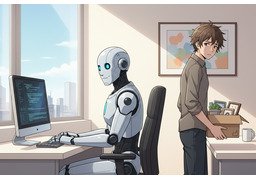
随着新材料出现,旧产品逐渐被取而代之。suí zhe xīn cái liào chū xiàn jiù chán pǐn zhú jiàn bèi qǔ ér dài zhī
As new materials emerged, old products were gradually replaced.
A newer thing moves into the place of an older thing and takes over its role or function.
被取而代之bèi qǔ ér dài zhī
be replaced
取而代之的趋势qǔ ér dài zhī de qū shì
trend of replacement
取代qǔ dài: Replace someone or something in a position or role.
代替dài tì: Perform the same function in place of the original person or thing.
替代tì dài: Use one person or thing in place of another.
用新的事物或人替换旧的,使之失去原有的地位或功能。yòng xīn de shì wù huò rén tì huàn jiù de shǐ zhī shī qù yuán yǒu de dì wèi huò gōng néng
取而代之 (qǔérdàizhī, "take its place") is formed from 取 (qǔ, "take") + 而 (ér, "and then") + 代 (dài, "replace") + 之 (zhī, "it"), giving the image of taking something and replacing it.