

HSK · Level 37
120 words
Search Chinese words by characters, pinyin or English meaning.
Dictionaries
Quick links
Browse
 MotiSpiOfficial conversation app

Chinese word
Pinyinfā bìng
他昨天晚上发病了,现在在家休息。tā zuó tiān wǎn shàng fā bìng le xiàn zài zài jiā xiū xī
He got sick last night and is resting at home now.
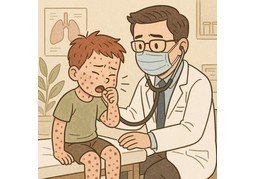
病人复诊时说最近又反复发病,需要调整治疗。bìng rén fù zhěn shí shuō zuì jìn yòu fǎn fù fā bìng xū yào tiáo zhěng zhì liáo
At a follow-up visit, the patient said they had been falling ill again and again recently, so their treatment needed adjusting.
A health problem crosses from being hidden to showing clear symptoms, sometimes in a sudden attack.
突然发病tū rán fā bìng
suddenly get sick
反复发病fǎn fù fā bìng
fall ill repeatedly
早期发病zǎo qī fā bìng
fall ill early
生病shēng bìng: Become unwell or fall ill.
发作fā zuò: Have an illness or symptom suddenly flare up.
得病dé bìng: Come down with an illness.
疾病的症状开始出现或原有病情突然加重。jí bìng de zhèng zhuàng kāi shǐ chū xiàn huò yuán yǒu bìng qíng tū rán jiā zhòng
发病 (fābìng, "to fall ill") joins 发 (fā, "emerge") with 病 (bìng, "illness"), presenting illness as something that comes out in symptoms.