

Chinese Conversation · Level 71
90 words
Search Chinese words by characters, pinyin or English meaning.
Dictionaries
Quick links
Browse
 MotiSpiOfficial conversation app

Chinese word
Pinyinfǎn kàng
孩子开始反抗父母。hái zi kāi shǐ fǎn kàng fù mǔ
The child started rebelling against his parents.
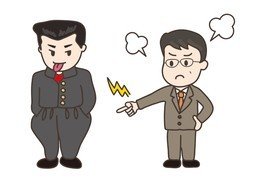
工人们开始反抗公司的不公待遇。gōng rén men kāi shǐ fǎn kàng gōng sī de bù gōng dài yù
The workers began resisting the company's unfair treatment.
An authority, command, or rule meets active pushback instead of obedience.
反抗权威fǎn kàng quán wēi
rebel against authority
反抗命令fǎn kàng mìng lìng
defy orders
反抗压迫fǎn kàng yā pò
resist oppression
违抗wéi kàng: Disobeying a specific command, instruction, or rule and acting against what it requires.
抵抗dǐ kàng: Withstanding an outside force or pressure without giving way or being moved.
反对fǎn duì: Opposing a view, suggestion, or policy instead of accepting or supporting it.
对抗duì kàng: Entering a direct contest in which opposing sides clash in force, power, or opinion.
不服从权威、命令或规矩,通过言语或行动表示抵触或对抗。bù fú cóng quán wēi mìng lìng huò guī jǔ tōng guò yán yǔ huò xíng dòng biǎo shì dǐ chù huò duì kàng
反 (fǎn, "opposite") + 抗 (kàng, "resist") create the image of facing an imposed direction and pushing against it.