

HSK · Level 85
45 words
Search Chinese words by characters, pinyin or English meaning.
Dictionaries
Quick links
Browse
 MotiSpiOfficial conversation app

Chinese word
Pinyinfǎn tán
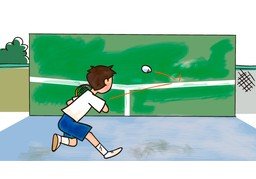
球从墙上反弹回来了。qiú cóng qiáng shàng fǎn tán huí lái le
The ball bounced back from the wall.
利好消息公布后,股价短暂反弹。lì hǎo xiāo xī gōng bù hòu gǔ jià duǎn zàn fǎn tán
After favorable news was announced, the stock price briefly rebounded.
A movement that is forced down or held back pushes outward again, whether as a physical bounce or a limited return.
股价反弹gǔ jià fǎn tán
stock prices rebound
需求反弹xū qiú fǎn tán
demand rebounds
价格反弹jià gé fǎn tán
prices rebound
回弹huí tán: To rise again briefly after falling, especially for a price, number, or trend.
恢复huī fù: To return to a previous state, level, or ability after it has been lost or damaged.
物体(如球)撞击表面后向外弹起;引申为某项指标或情绪在下跌或受挫后出现的回升,常指幅度有限的短期变化。wù tǐ rú qiú zhuàng jī biǎo miàn hòu xiàng wài tán qǐ yǐn shēn wèi mǒu xiàng zhǐ biāo huò qíng xù zài xià diē huò shòu cuò hòu chū xiàn de huí shēng cháng zhǐ fú dù yǒu xiàn de duǎn qī biàn huà
反 (fǎn, "turn back") + 弹 (tán, "spring") combine in 反弹 (fǎntán, "bounce back"), extending the image of a bouncing object to a return after pressure or decline.