

Chinese Conversation · Level 34
90 words
Search Chinese words by characters, pinyin or English meaning.
Dictionaries
Quick links
Browse
 MotiSpiOfficial conversation app

Chinese word
Pinyinqù gǔ
你可以帮我把这块鸡肉去骨吗?nǐ ké yǐ bāng wǒ bǎ zhè kuài jī ròu qù gǔ ma
Can you help me debone this piece of chicken?
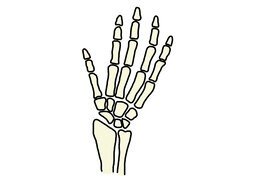
店员帮我把鸡胸肉去骨了。diàn yuán bāng wǒ bǎ jī xiōng ròu qù gǔ le
The shop assistant helped me debone the chicken breast.
The edible portion is freed from a hard inner structure, while the useful flesh remains.
把鸡胸肉去骨bǎ jī xiōng ròu qù gǔ
debone chicken breast
把鸡腿去骨bǎ jī tuǐ qù gǔ
debone chicken thigh
去掉骨头qù diào gǔ tou: Take bones away from meat or fish until none remain.
剔骨tī gǔ: Carefully take the bones out of meat or fish one at a time.
指在处理食材时将骨与可食部分分离的行为,可通过手工挑拣或用刀切除实现。zhǐ zài chú lǐ shí cái shí jiāng gǔ yǔ kě shí bù fèn fēn lí de xíng wéi kě tōng guò shǒu gōng tiāo jiǎn huò yòng dāo qiē chú shí xiàn
The compound 去 (qù, "remove") + 骨 (gǔ, "bone") directly describes taking bones away from food, which makes the word easy to connect with its culinary use.