

HSK · Level 27
135 words
Search Chinese words by characters, pinyin or English meaning.
Dictionaries
Quick links
Browse
 MotiSpiOfficial conversation app

Chinese word
Pinyinqù diào
把桌子上的旧书都去掉。bǎ zhuō zi shàng de jiù shū dōu qù diào
Remove all the old books from the table.
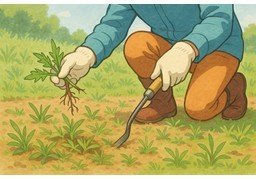
文章中的错别字要去掉再交。wén zhāng zhōng de cuò bié zì yào qù diào zài jiāo
Remove the typos in the article before submitting it.
An unwanted part leaves a larger whole, making the whole cleaner or simpler.
去掉错误qù diào cuò wù
remove errors
去掉标点qù diào biāo diǎn
remove punctuation
去掉重复qù diào chóng fù
remove duplicates
删除shān chú: Delete a document, record, or piece of data so it is no longer there.
去除qù chú: Remove something unwanted or obstructive from a place, process, or situation.
拿掉ná diào: Take an object away from a place, often by picking it up or moving it.
消除xiāo chú: Eliminate a worry, obstacle, or other negative condition so it no longer exists.
从某一范围或整体中除去不需要的部分,使整体变得简洁或不含该部分。cóng mǒu yí fàn wéi huò zhéng tǐ zhōng chú qù bù xū yào de bù fèn shǐ zhéng tǐ biàn de jiǎn jié huò bù hán gāi bù fèn
去掉 (qùdiào, "remove") combines 去 (qù, "go") with 掉 (diào, "fall away") to show that a part leaves the whole and is no longer there.