

Chinese Conversation · Level 69
90 words
Search Chinese words by characters, pinyin or English meaning.
Dictionaries
Quick links
Browse
 MotiSpiOfficial conversation app

Chinese word
Pinyinyuán shǐ
这个地区还很原始,没有现代设施。zhè ge dì qū hái hěn yuán shǐ méi yǒu xiàn dài shè shī
This area is still very primitive and has no modern facilities.
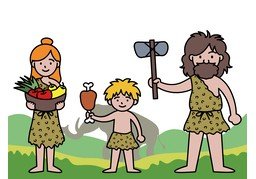
考古学家发现了很多原始的遗物。káo gǔ xué jiā fā xiàn le hěn duō yuán shǐ de yí wù
Archaeologists discovered many primitive artifacts.
Something close to its first form, with little processing, polishing, technology, or cultivation added to it.
原始社会yuán shǐ shè huì
primitive society
原始森林yuán shǐ sēn lín
primeval forest
原始记录yuán shǐ jì lù
original records
原始状态yuán shǐ zhuàng tài
primitive state
简陋jiǎn lòu: Poorly equipped and plain because needed facilities or details are missing.
落后luò hòu: Not keeping up with the development or progress of its time.
未开发wèi kāi fā: Having received very little development, construction, or preparation for use.
指处于起始阶段、未经过细化或文明发展,表现为简单、粗糙或未开垦的样态。zhǐ chǔ yú qí shǐ jiē duàn wèi jīng guò xì huà huò wén míng fā zhǎn biǎo xiàn wèi jiǎn dān cū cāo huò wèi kāi kěn de yàng tài
The compound 原始 (yuánshǐ, "primitive") joins the ideas of an origin and a beginning to describe a condition that has not yet passed through later stages of development.