

HSK · Level 114
45 words
Search Chinese words by characters, pinyin or English meaning.
Dictionaries
Quick links
Browse
 MotiSpiOfficial conversation app

Chinese word
Pinyinyā zhì
他努力压制自己的情绪。tā nǔ lì yā zhì zì jǐ de qíng xù
He tried hard to suppress his own emotions.
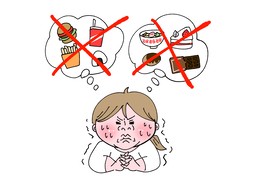
看到不公,她无法压制怒火,站出来发声。kàn dào bù gōng tā wú fǎ yā zhì nù huǒ zhàn chū lái fā shēng
Seeing the injustice, she could not suppress her anger, so she spoke out.
A force holds a feeling, action, or opinion down so it cannot emerge or grow.
压制怒火yā zhì nù huǒ
suppress anger
压制反应yā zhì fǎn yìng
suppress a reaction
压抑yā yì: Pushing feelings or desires deep inside until they feel heavy and painful.
镇压zhèn yā: Forcefully putting down a rebellion or widespread public disorder.
压迫yā pò: Using authority or power to take away people's freedom and rights.
控制kòng zhì: Keeping a situation or someone's behavior within set limits through management.
通过外在的压力或内部的强制抑住情绪、行为或意见,使其不外露或不继续发展。tōng guò wài zài de yā lì huò nèi bù de qiáng zhì yì zhù qíng xù xíng wéi huò yì jiàn shǐ qí bú wài lù huò bú jì xù fā zhǎn
压制 (yāzhì, "to suppress") combines 压 (yā, "press") and 制 (zhì, "control"), joining physical pressure with deliberate control.