

HSK · Level 94
45 words
Search Chinese words by characters, pinyin or English meaning.
Dictionaries
Quick links
Browse
 MotiSpiOfficial conversation app

Chinese word
Pinyinwēi jí
他的错误决定可能会危及整个项目的进展。tā de cuò wù jué dìng kě néng huì wēi jí zhěng gè xiàng mù dì jìn zhǎn
His wrong decision may put the progress of the entire project at risk.
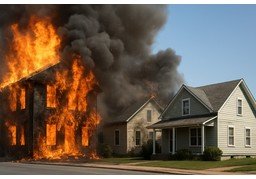
不当的排放可能会危及周边居民的健康。bú dàng de pái fàng kě néng huì wēi jí zhōu biān jū mín de jiàn kāng
Improper emissions may endanger the health of nearby residents.
An action pushes a person, thing, or interest into the reach of danger, with possible damage as the result.
危及生命wēi jí shēng mìng
endanger life
危及安全wēi jí ān quán
endanger safety
危及利益wēi jí lì yì
endanger interests
危害wēi hài: Cause harm to a person's body, property, rights, or interests.
威胁wēi xié: Create a risk of danger or loss through words, actions, or circumstances.
损害sǔn hài: Hurt an object, right, or interest in a way that lowers its value or function.
影响yíng xiǎng: Act on something else and change its condition or result.
使处于危险或可能受损害的境地,常指使人或事物面临生命、安全或利益的威胁。shǐ chǔ yú wēi xiǎn huò kě néng shòu sǔn hài de jìng dì cháng zhí shǐ rén huò shì wù miàn lín shēng mìng ān quán huò lì yì de wēi xié
危及 (wēijí, "to endanger") combines 危 (wēi, "dangerous") with 及 (jí, "to reach"), presenting danger as something that reaches a person or thing.