

HSK · Level 11
135 words
Search Chinese words by characters, pinyin or English meaning.
Dictionaries
Quick links
Browse
 MotiSpiOfficial conversation app

Chinese word
Pinyinwò
他因病一直卧床三天。tā yīn bìng yì zhí wò chuáng sān tiān
He lay in bed for three days because he was sick.
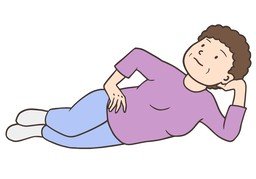
士兵听到命令后迅速卧倒,躲避子弹。shì bīng tīng dào mìng lìng hòu xùn sù wò dǎo duǒ bì zǐ dàn
After hearing the order, the soldier quickly lay face down to avoid the bullets.
A body leaves an upright posture and stays horizontal for rest, whether for a moment or through an extended condition.
卧床wò chuáng
stay in bed
侧卧cè wò
lie on one's side
卧倒wò dǎo
lie face down
躺tǎng: Lying with the body supported by a bed, floor, or another surface.
躺下tǎng xià: Changing from an upright posture to a horizontal one.
睡觉shuì jiào: Spending time asleep.
卧床wò chuáng: Remaining in bed as part of treatment or recovery from sickness or injury.
使身体处于横向或平卧状态,既可指短时躺下也可指长期卧床不起。shǐ shēn tǐ chǔ yú héng xiàng huò píng wò zhuàng tài jì kě zhǐ duǎn shí tǎng xià yě kě zhǐ cháng qī wò chuáng bù qǐ
The character 卧 (wò, "lie down") developed from an older written form connected with the image of a person lying down, making the character's shape a reminder of its central posture.