

HSK · Level 78
45 words
Search Chinese words by characters, pinyin or English meaning.
Dictionaries
Quick links
Browse
 MotiSpiOfficial conversation app

Chinese word
Pinyinhuà shēn
他是正义的化身。tā shì zhèng yì de huà shēn
He is the embodiment of justice.
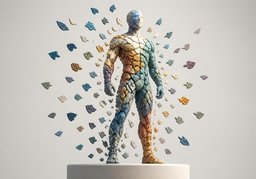
在孩子眼中,她是慈爱的化身。zài hái zi yǎn zhōng tā shì cí ài de huà shēn
In the children's eyes, she is the embodiment of loving kindness.
A person or thing in which an abstract quality takes clear, living form.
正义的化身zhèng yì de huà shēn
embodiment of justice
英雄的化身yīng xióng de huà shēn
embodiment of heroism
慈爱的化身cí ài de huà shēn
embodiment of loving kindness
象征xiàng zhēng: A sign or presence used to represent an abstract idea or quality.
代表dài biǎo: A person or thing that represents a group, view, or idea.
被视为某种抽象概念或特质的集中体现或代表的人或事物。bèi shì wéi móu zhǒng chōu xiàng gài niàn huò tè zhì dì jí zhōng tǐ xiàn huò dài biǎo de rén huò shì wù
化身 (huàshēn, "embodiment") combines 化 (huà, "transform") + 身 (shēn, "body"), presenting a quality as something that has taken a recognizable form.