

HSK · Level 29
135 words
Search Chinese words by characters, pinyin or English meaning.
Dictionaries
Quick links
Browse
 MotiSpiOfficial conversation app

Chinese word
Pinyindòng zuò
他的动作很快,反应很灵敏。tā de dòng zuò hěn kuài fǎn yìng hěn líng mǐn
His movements are quick, and his reactions are sharp.
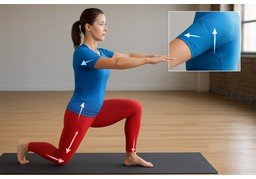
孩子们看老师的动作学做。hái zi men kàn lǎo shī de dòng zuò xué zuò
The children watch the teacher's movements and learn to copy them.
The outward form of doing something, shown in a movement, gesture, or manner of performance.
看动作kàn dòng zuò
watch the movements
跟着动作做gēn zhe dòng zuò zuò
follow the movements
行为xíng wéi: The things a person or animal does and the way it behaves.
反应fǎn yìng: A response from the body or mind to something that happens.
手势shǒu shì: A set hand movement used to communicate meaning or give a sign.
姿势zī shì: The way the body is held when standing, sitting, or moving.
作名词,表示人或物表现出的具体移动、手势或表情,也可指动作发生的过程或具体方式。zuò míng cí biǎo shì rén huò wù biǎo xiàn chū de jù tǐ yí dòng shǒu shì huò biǎo qíng yě kě zhǐ dòng zuò fā shēng de guò chéng huò jù tǐ fāng shì
动 (dòng, "move") and 作 (zuò, "do") join the ideas of movement and doing to form a noun for the way an act appears.