

HSK · Level 69
75 words
Search Chinese words by characters, pinyin or English meaning.
Dictionaries
Quick links
Browse
 MotiSpiOfficial conversation app

Chinese word
Pinyinliè shì
比赛最后我们仍然处于劣势。bǐ sài zuì hòu wǒ men réng rán chǔ yú liè shì
At the end of the match, we were still at a disadvantage.
他努力训练,希望能弥补自己的劣势。tā nǔ lì xùn liàn xī wàng néng mí bǔ zì jǐ de liè shì
He practices hard, hoping to make up for his disadvantage.
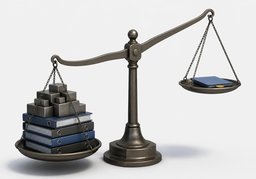
A contest is tilted away from one side because that side has weaker resources, conditions, or strategic force.
处于劣势chǔ yú liè shì
be in an inferior position
弥补劣势mí bǔ liè shì
make up for a disadvantage
明显的劣势míng xiǎn de liè shì
obvious disadvantage
下风xià fēng: A lower position in a conflict or dispute, with less power than the opponent.
逆境nì jìng: A difficult situation in which unfavorable conditions make progress hard.
不利条件bú lì tiáo jiàn: A condition that works against a desired result.
处在力量、资源或形势上劣于对方,因而处于不利的位置或局面。chǔ zài lì liàng zī yuán huò xíng shì shàng liè yú duì fāng yīn ér chǔ yú bú lì de wèi zhì huò jú miàn
劣 (liè, "inferior") + 势 (shì, "situation or force") combines a lower standing with the balance of a situation.