

Chinese Conversation · Level 43
90 words
Search Chinese words by characters, pinyin or English meaning.
Dictionaries
Quick links
Browse
 MotiSpiOfficial conversation app

Chinese word
Pinyinshèng yú
冰箱里还有剩余的食物。bīng xiāng lǐ hái yǒu shèng yú de shí wù
There is still food remaining in the refrigerator.
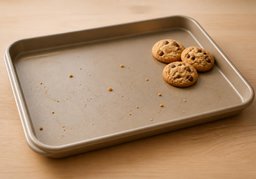
项目完成后还有剩余资金可以用于下一阶段。xiàng mù wán chéng hòu hái yǒu shèng yú zī jīn ké yǐ yòng yú xià yì jiē duàn
After the project is finished, there will still be funds left to use in the next stage.
What remains after part of something has been used, taken, or consumed.
剩余的食物shèng yú de shí wù
leftover food
剩余时间shèng yú shí jiān
time left
剩余资源shèng yú zī yuán
surplus resources
多余duō yú: Unnecessary because it exceeds the amount required.
过剩guò shèng: Describing a condition where available supply is greater than demand.
残余cán yú: Describing the part or amount left after removal or use.
盈余yíng yú: Describing excess income or another surplus recorded in accounts or statistics.
未被使用或消耗的那部分,常用作形容词修饰名词,也可作名词表示剩下的数量。wèi bèi shǐ yòng huò xiāo hào de nà bù fèn cháng yòng zuò xíng róng cí xiū shì míng cí yě kě zuò míng cí biǎo shì shèng xià de shù liàng
剩 (shèng, "remain") + 余 (yú, "extra") joins the state of remaining with the idea of an amount beyond the main share.