

HSK · Level 20
135 words
Search Chinese words by characters, pinyin or English meaning.
Dictionaries
Quick links
Browse
 MotiSpiOfficial conversation app

Chinese word
Pinyinbié de
她买了别的书。tā mǎi le bié de shū
She bought other books.
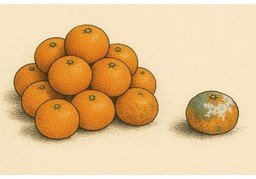
你还有别的问题吗?nǐ hái yǒu bié de wèn tí ma
Do you have any other questions?
Keeps the current person or thing in view and points away from it toward a different one or toward the remaining choices.
别的东西bié de dōng xī
other things
别的人bié de rén
other people
其他qí tā: Describes people or things other than those included in a named group or range.
另外lìng wài: Describes an extra choice or item presented as a separate possibility.
其余qí yú: Refers to the full set of people or things that remain after some are set aside.
表示与当前或已提到的人或物不同的其他者,常用作定语也可单独代替名词,语气偏口语。biǎo shì yǔ dāng qián huò yǐ tí dào de rén huò wù bù tóng de qí tā zhě cháng yòng zuò dìng yǔ yě kě dān dú dài tì míng cí yǔ qì piān kóu yǔ
别的 (biéde, "other") is a modern combination of 别 (bié, "separate") and 的 (de, "structural particle"), so the phrase identifies something set apart from what is already mentioned.